Bee in the Know
Everything You’ve Ever Wondered About Honey & Bees
Pollinators are the silent architects of our ecosystem. They are responsible for one out of every three bites of food we eat, helping grow everything from backyard garden vegetables to the fruits and nuts we find at the store. By moving pollen from flower to flower, honey bees allow plants to reproduce, which creates the seeds and fruits that feed local wildlife. In Minneapolis, these bees are essential "urban workers" that keep our neighborhood parks green, our community gardens productive, and our local ecosystem healthy and balanced.
Meet the Bees
-
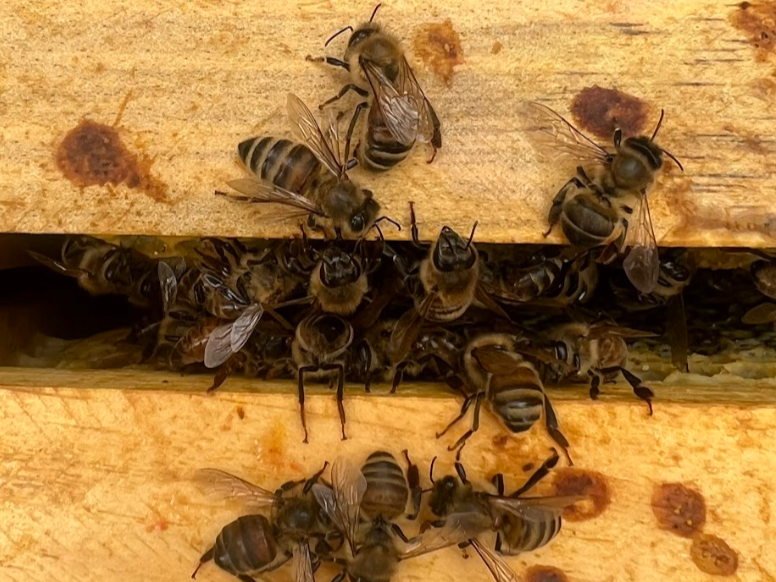
Bees stay inside the hive, clustering together to keep warm and survive off stored honey.
-
Bees primarily eat nectar (which they turn into honey) and pollen for protein.
-
Bees collect nectar, break it down with enzymes, and evaporate the moisture until it becomes honey.
-
The Queen’s main role is to lay eggs and keep the hive population strong.
-
Bees typically forage within 1–3 miles of their hive.
-
Bees don’t have ears but can sense vibrations through their bodies and legs.
Bee Questions
Honey bees today face big struggles like habitat loss, chemicals, and tough winters. Beekeepers act as "hive guardians," making sure the bees stay healthy, safe, and fed when flowers are scarce. By providing a home and checking for diseases, beekeepers give these colonies a much better chance at surviving the cold Minnesota months. In a city like Minneapolis, beekeepers are the helping hands that keep our local bee population strong so they can keep helping our gardens grow.
Need for Beekeepers
Beekeeping Questions
-
Our hives are located at The Story Garden, North 4th Garden, and Beehaven Garden.
-
Danielle has gotten stung a ton, whereas the bees don’t seem to sting Joanne.
-
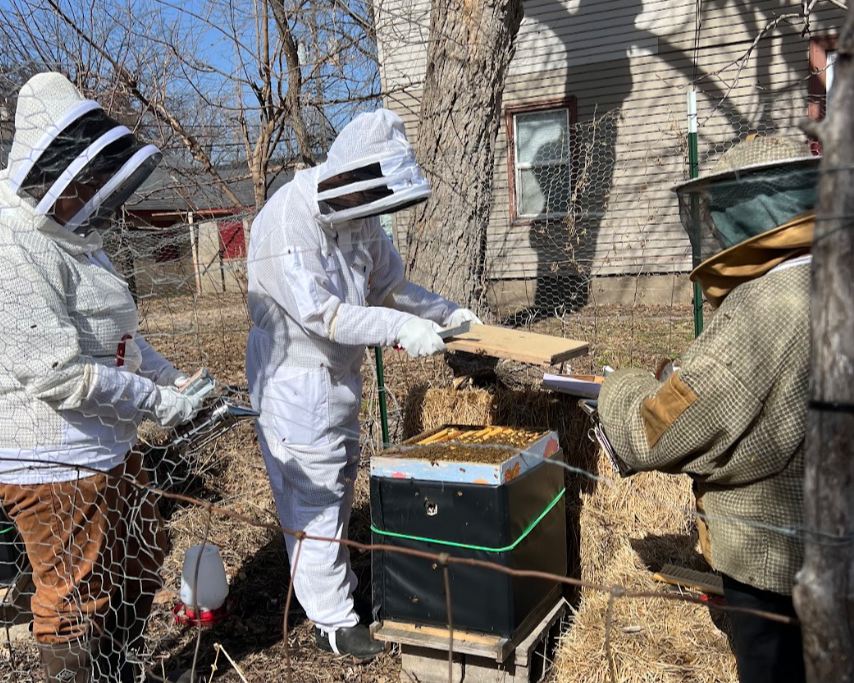
We wrap the hives to insulate them from the cold, reduce the hive openings, and ensure the bees have enough honey.
-
A healthy hive has active bees, a laying queen, steady brood patterns, and adequate food stores.
-
Yes—bees are vital pollinators that support biodiversity and local food systems.
Honey has been used as a natural remedy for thousands of years. It is naturally antibacterial and anti-inflammatory, which makes it great for soothing sore throats and acting as a gentle cough suppressant. When used on the skin, these properties can help minor cuts and burns heal by keeping them clean.
Raw and local honey is especially unique because it contains trace amounts of pollen from our own Minneapolis neighborhoods. Many people find that eating honey from their own area helps their bodies adapt to local plants and may support wellness during allergy season. Since our honey is never high-heat processed, it keeps all the natural enzymes and nutrients found in the Twin Cities landscape. It is more than just a sweetener. It is a powerful tool for wellness made by nature right in your backyard.
Honey is Medicine
Honey Questions
-
Honey is typically harvested in late summer through early fall.
-
A hive can produce anywhere from 30–60 pounds of surplus honey in a good season.
-
Honey color varies based on the flowers the bees forage from.
-
We only harvest excess honey and always leave enough for the bees to thrive.
-
Honey has natural antibacterial, anti-inflammatory, and antioxidant properties.
Flight of the Honey Bee
Slide to see the incredible effort behind your honey:
1 oz of Honey
🐝
72
Bees' Lifetimes
🌸
125,000
Flowers Visited
📍
3,437
Miles Flown